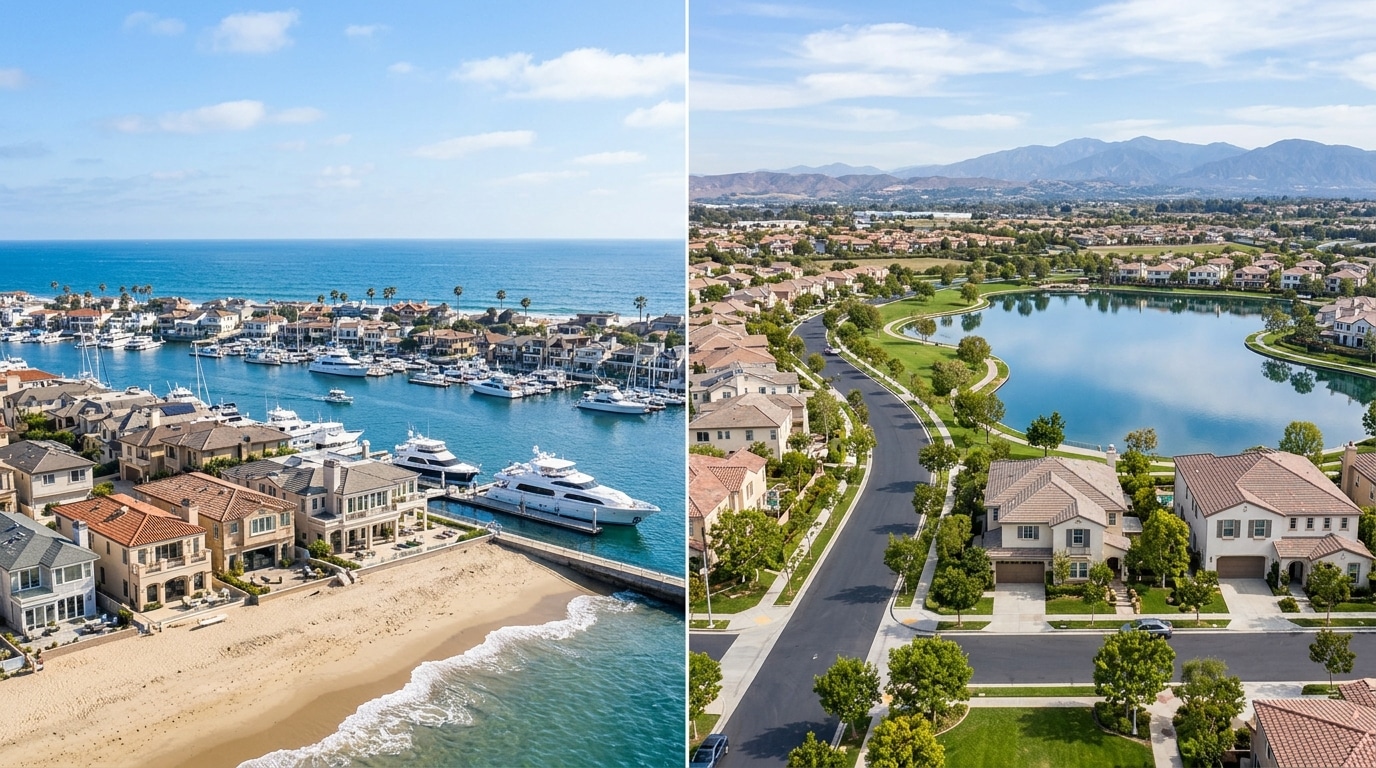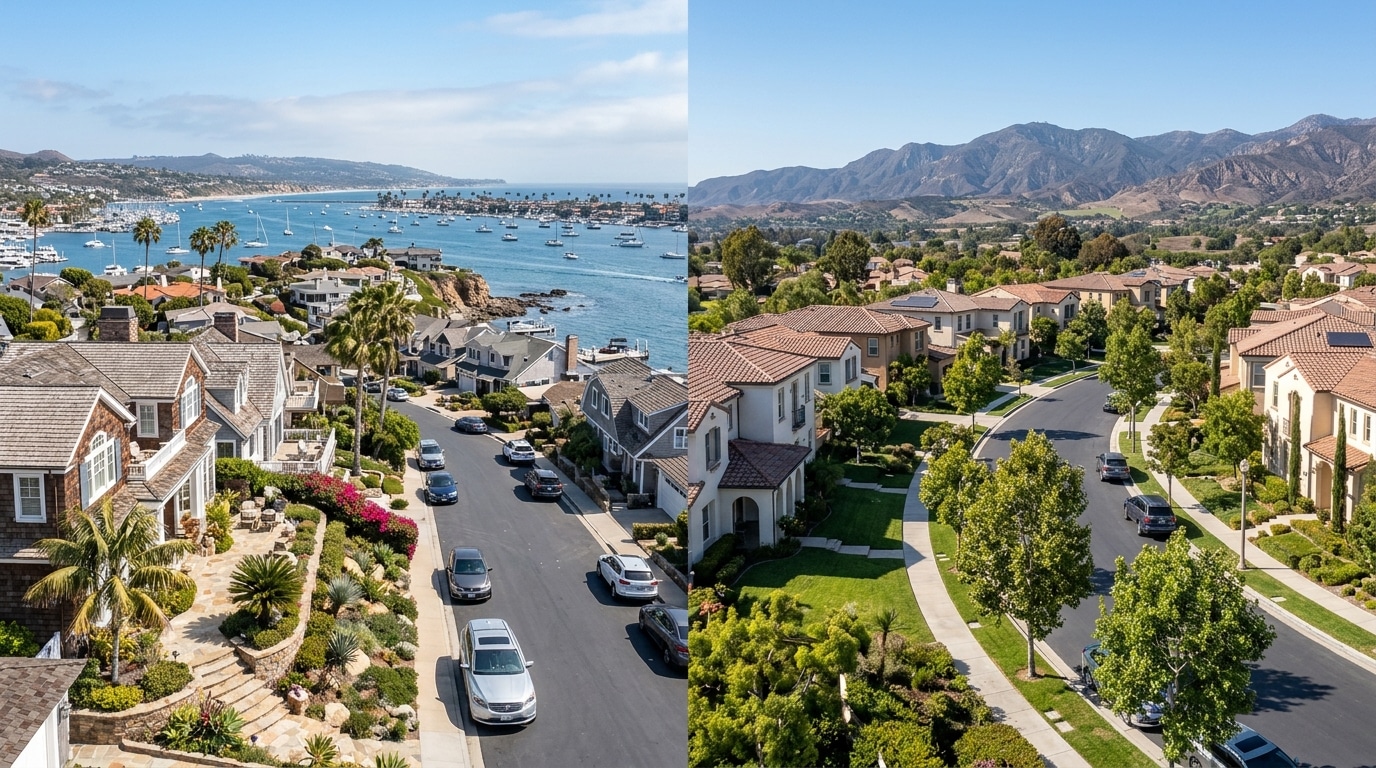
Great Park Neighborhoods in Irvine, California, offer buyers an opportunity to explore a planned residential setting with a focus on community spaces, parks, and neighborhood amenities. For people considering a move to the area, understanding the differences between individual neighborhoods can help make the home search more productive.
Beacon Park, Cadence Park, and Rise Park are three neighborhood names buyers may encounter while researching Great Park Neighborhoods. Although they are part of the broader Great Park area, buyers should not assume that every neighborhood offers identical homes, facilities, or community arrangements.
Amenities can influence how residents spend their free time, how families use shared spaces, and how convenient a neighborhood feels. However, the value of a particular amenity depends on its location, availability, access rules, and how well it fits a buyer’s lifestyle.
This guide explores what buyers should consider when comparing Beacon Park, Cadence Park, and Rise Park, with a focus on parks, recreation, shared spaces, housing considerations, and everyday convenience.
Understanding Great Park Neighborhoods and Its Residential Communities
Great Park Neighborhoods is a residential area in Irvine where buyers can compare different neighborhood settings and housing options. When exploring the area, it helps to look beyond the overall community name and understand the individual neighborhood being considered.
Getting to Know Beacon Park, Cadence Park, and Rise Park
Beacon Park, Cadence Park, and Rise Park are distinct neighborhood names within the broader Great Park Neighborhoods area.
For buyers, comparing these communities means examining the features of each specific location rather than treating the entire development as one uniform residential environment.
Consider the following when researching each neighborhood:
- The types of homes currently available.
- The surrounding residential layout.
- Nearby parks and recreational spaces.
- Shared community facilities.
- Applicable homeowners association arrangements.
- Access rules for amenities.
- Convenience for regular household activities.
These details can help buyers understand which neighborhood best matches their expectations.
Why Neighborhood Differences Matter
Even when communities are part of the same broader development, their individual characteristics may differ.
A buyer who prioritizes convenient access to outdoor recreation may evaluate a property differently from someone focused on the home’s interior layout or proximity to everyday destinations.
The location of a particular home within its neighborhood can also influence how convenient nearby amenities are.
For example, two properties in the same named community may have different walking routes to a park or shared facility. Buyers should verify the actual location and access arrangements instead of relying only on general neighborhood descriptions.
Consider the Overall Residential Environment
A neighborhood’s appeal is influenced by more than its amenities.
Buyers should consider the surrounding streets, housing arrangement, pedestrian environment, landscaping, and how the area fits their preferred lifestyle.
Think about whether you prefer a setting with nearby shared spaces, a particular home style, or convenient access to recreational areas.
Visiting the neighborhoods in person can help you understand differences that may not be apparent in listing photographs.
Research Each Community Before Making a Decision
Before deciding between Beacon Park, Cadence Park, and Rise Park, gather current information about the individual neighborhood.
Confirm the names and locations of facilities, the types of homes available, and any applicable community rules.
Official community and City of Irvine resources can help buyers verify current information. Property disclosures and association documents can provide additional details about the specific home being considered.
Parks, Recreation, and Shared Community Amenities
Parks and shared spaces can be an important part of the Great Park Neighborhoods lifestyle. Buyers who value outdoor recreation may want to understand which facilities are available and how residents can use them.
However, it is important to distinguish between the presence of an amenity and the right to access it. Access arrangements may depend on the facility, association membership, and applicable rules.
Why Parks Matter to Buyers
Parks can provide opportunities for outdoor activities, relaxation, and time with family or neighbors.
For some households, nearby green spaces are a major consideration when choosing a home. Others may see parks as a welcome additional feature rather than a deciding factor.
When evaluating parks near a property, consider:
- The location of the nearest park.
- The practical walking route from the home.
- The types of outdoor spaces available.
- Whether the facilities suit your household.
- Any applicable access rules or restrictions.
A nearby park may be attractive, but buyers should confirm the actual route and available facilities.
Evaluate Shared Recreation Spaces
Shared community spaces may contribute to the residential experience by providing places for residents to gather or participate in recreational activities.
Before relying on a particular facility, verify its current availability and access requirements.
Questions worth asking include:
- Is the facility open to all residents or only eligible association members?
- Are reservations required?
- Are there operating hours or usage restrictions?
- Are there separate rules for guests?
- Who is responsible for maintenance?
- Are there additional fees or assessments associated with access?
These details matter because the presence of a shared facility does not automatically establish unrestricted access.
Compare Amenity Convenience
The convenience of an amenity depends partly on where a home is located.
A facility may be within the broader Great Park Neighborhoods area but not necessarily close to every property.
During a home search, identify the amenities that matter most and check the actual route from each property.
If you expect to use a particular park or shared space frequently, consider visiting it and reviewing its access arrangements before making a purchase decision.
Understand Maintenance and Association Responsibilities
Community amenities require ongoing maintenance. Buyers should understand how those responsibilities are handled and whether they are reflected in association documents or assessments.
Review the relevant homeowners association information for the property.
Look for details about:
- Maintenance responsibilities.
- Community facility rules.
- Assessment obligations.
- Guest access.
- Reservations and usage restrictions.
- Rules affecting shared spaces.
The applicable documents should be reviewed for the specific property and association rather than assuming all Great Park Neighborhoods have identical arrangements.
Comparing Beacon Park, Cadence Park, and Rise Park When Buying a Home
Choosing between neighborhoods involves evaluating both the community environment and the individual property.
Beacon Park, Cadence Park, and Rise Park should be compared using consistent criteria. This helps buyers avoid choosing a location based only on a general impression or a single attractive amenity.
Compare Housing Styles and Property Features
Housing options and property characteristics should be evaluated individually.
When viewing homes, consider the layout, number of bedrooms, living areas, storage, outdoor space, and overall condition.
Also think about how the property’s design supports your household’s needs.
For example, buyers may have different priorities around:
- Open living areas.
- Bedroom placement.
- Work-from-home space.
- Private outdoor areas.
- Parking and storage.
- Accessibility and stairs.
- Maintenance requirements.
Do not assume that every home in a particular neighborhood has the same features. Review individual listings and visit properties to understand their actual layouts.
Consider the Location of Amenities
A neighborhood may have access to several recreational facilities, but the practical value of those amenities depends on their location and access arrangements.
Compare the route from each home to the facilities you expect to use.
If a park, shared space, or recreation area is important to your household, make it part of your property evaluation.
You should also confirm whether the facility is public, association-managed, or subject to another access arrangement.
Think About Everyday Convenience
A home should support your regular routine as well as your recreational preferences.
Consider the property’s relationship to the destinations you visit frequently, including shopping, services, work locations, and other activities.
A neighborhood with attractive amenities may still require trade-offs in other areas.
Make a list of your most important destinations and compare how each potential home fits your routine.
Avoid relying on general statements about convenience without checking actual routes and travel conditions.
Review Association Documents and Community Rules
Association arrangements can influence the experience of living in a planned community.
Before purchasing, identify the applicable association or associations and review the relevant governing documents.
Pay particular attention to:
- Assessments and payment obligations.
- Maintenance responsibilities.
- Amenity access requirements.
- Architectural approval processes.
- Landscaping and exterior rules.
- Guest and facility-use policies.
The details may differ by property or association. Buyers should obtain and review the documents that apply to the specific home.
Visit the Neighborhoods in Person
Online research is useful, but an in-person visit can provide a clearer understanding of the residential setting.
Walk or drive through the areas you are considering. Observe the surrounding streets, the location of parks, and the relationship between homes and shared spaces.
If possible, visit at different times to get a broader impression of the area’s activity.
This can help you decide whether the neighborhood’s environment matches your expectations.
Choosing the Great Park Neighborhood That Fits Your Lifestyle
The right neighborhood is not necessarily the one with the greatest number of amenities. It is the one that best matches your household’s priorities, property preferences, and everyday routine.
Create a Neighborhood Comparison Checklist
Use a consistent checklist when comparing Beacon Park, Cadence Park, and Rise Park.
| Comparison factor | What to evaluate |
|---|---|
| Parks | Verified locations and available facilities |
| Recreation | Types of shared spaces and activities |
| Amenity access | Eligibility, rules, and restrictions |
| Housing | Available home types and layouts |
| Outdoor space | Private yards, patios, and usable areas |
| Association | Applicable rules and assessments |
| Maintenance | Responsibility for shared facilities |
| Convenience | Routes to regular destinations |
| Property condition | Inspection findings and maintenance needs |
| Long-term fit | Whether the home supports future plans |
This approach can help you compare properties based on practical considerations rather than general impressions.
Decide Which Amenities You Will Actually Use
It can be tempting to place a high value on every amenity listed in a community description.
However, buyers should focus on facilities that are relevant to their lifestyle.
If your household enjoys outdoor activities, parks and recreation may be important. If you rarely use shared facilities, the home’s layout, condition, or location may deserve more attention.
Think about how often you would realistically use each amenity and whether its access arrangements suit your expectations.
Consider the Complete Cost of Ownership
The purchase price is only one part of owning a home.
Buyers should understand applicable association assessments, property maintenance responsibilities, insurance considerations, and other recurring ownership costs.
Review the relevant documents and disclosures carefully. Do not assume that all properties in Great Park Neighborhoods have identical fees or obligations.
A clear understanding of ongoing costs can help you make a more informed buying decision.
Work With an Agent Familiar With Irvine Properties
Comparing neighborhoods requires attention to both community-level features and property-specific details.
Brad Dhesi of BSD Real Estate Group at Keller Williams can help buyers explore available Irvine homes and compare individual properties based on their priorities.
Whether you are considering Beacon Park, Cadence Park, Rise Park, or another Irvine neighborhood, a structured home search can help you evaluate the features that matter most.
Suggested internal links: Irvine Neighborhood Overview; Home Buying Services.
Frequently Asked Questions
1. What are Great Park Neighborhoods in Irvine, CA?
Great Park Neighborhoods is a residential area in Irvine that includes distinct communities such as Beacon Park, Cadence Park, and Rise Park. Buyers should research each neighborhood individually to understand its housing options, amenities, and applicable community arrangements.
2. What amenities are available in Great Park Neighborhoods?
Buyers researching the area may encounter parks, recreational spaces, and shared community facilities. The specific amenities, current availability, and access requirements should be verified through official community and City of Irvine resources.
3. What is the difference between Beacon Park, Cadence Park, and Rise Park?
They are distinct neighborhoods within the broader Great Park Neighborhoods area. Buyers should compare their individual residential settings, available homes, nearby facilities, and applicable association arrangements rather than assuming they offer identical features.
4. Do Great Park Neighborhoods amenities have HOA access rules?
Access to shared facilities may depend on the applicable association, membership eligibility, and facility-specific rules. Buyers should review the governing documents and confirm access arrangements for the property they are considering.
5. Is Great Park Neighborhoods a good place to buy a home in Irvine?
It may be worth considering for buyers interested in planned residential communities and access to parks or shared spaces. Whether it is the right choice depends on the individual property’s features, location, ownership costs, amenities, and fit with the buyer’s lifestyle.
Ready to Find Your Home in Great Park Neighborhoods?
Considering Beacon Park, Cadence Park, Rise Park, or another community in Irvine?
Choosing the right home means looking beyond the neighborhood name. You should understand the property’s layout, nearby amenities, association requirements, and how the location fits your everyday needs.
Brad Dhesi of BSD Real Estate Group at Keller Williams can help you explore available Irvine properties and compare the features that matter to your home search.
Reach out to discuss your goals and take the next step toward finding a home in Great Park Neighborhoods.