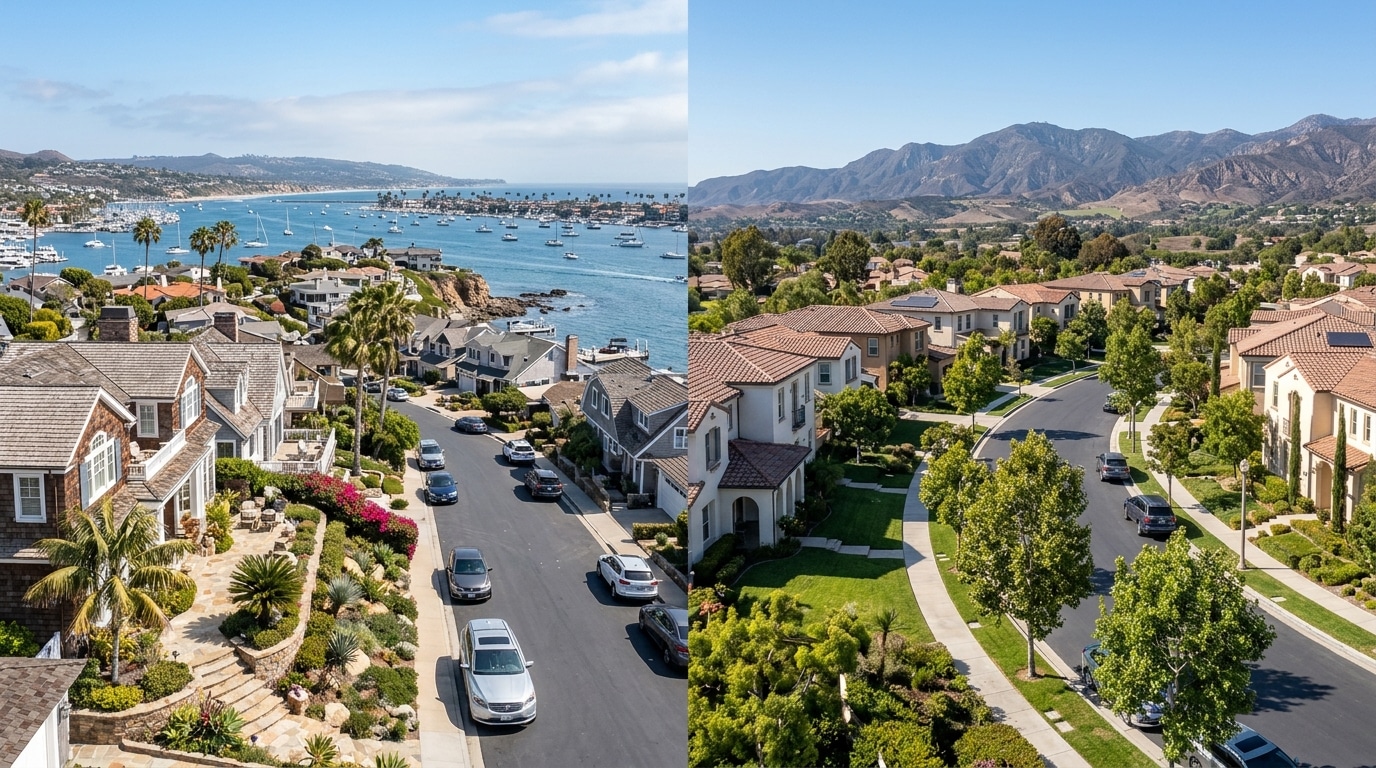
Turtle Rock is an established residential area in Irvine, California, that may appeal to buyers looking for a neighborhood with varied home settings and property characteristics. For buyers exploring hillside homes, the appeal can include potential views, distinctive lot configurations, privacy considerations, and architectural variety.
However, not every home in Turtle Rock has a hillside location or an expansive view. Property features can differ significantly from one home to another, even within the same neighborhood. Buyers should evaluate each property individually rather than assuming that all homes offer the same setting or advantages.
A hillside property also requires a more detailed review than simply looking at the view from the listing photographs. Lot slope, driveway access, outdoor space, landscaping, drainage, and ongoing maintenance can all influence how a home functions.
Understanding these factors can help buyers make a more informed decision when comparing Turtle Rock properties. This guide explains what to consider when evaluating hillside lots, views, privacy, and home layouts in Turtle Rock, Irvine.
Understanding Turtle Rock’s Hillside Homes and Property Settings
One of the first steps when exploring Turtle Rock is understanding how individual properties differ in their location and physical characteristics.
Buyers may encounter homes with different lot configurations, elevations, orientations, and relationships to surrounding properties. These differences can influence both the property’s appearance and its practical use.
What Makes a Hillside Property Different?
A hillside property is influenced by the natural or developed slope of the land.
Depending on the individual lot, the home may sit above or below neighboring properties, have a sloped yard, or feature outdoor areas arranged across different elevations.
These characteristics can affect how buyers use the property.
For example, a lot with a significant slope may offer a different outdoor living experience from a relatively level lot. The arrangement of the home, driveway, retaining structures, and landscaping may also influence maintenance and accessibility.
When evaluating a hillside home, consider:
- The slope and configuration of the lot.
- The relationship between the home and surrounding properties.
- The layout of the driveway and entry.
- The amount of usable outdoor space.
- The location of retaining walls or other site improvements.
- The property’s drainage and landscaping conditions.
These details help buyers understand the practical features of the property beyond its appearance.
Not Every Home Offers the Same Views
Views can be an important consideration for buyers exploring hillside homes, but they should never be assumed based on the neighborhood name or listing description alone.
A property’s view may depend on its elevation, orientation, nearby buildings, landscaping, and surrounding terrain.
Even two homes located relatively close to each other may offer very different outlooks.
During a showing, examine the views from the rooms and outdoor areas where you expect to spend the most time. Consider whether the outlook is visible from the main living area, primary bedroom, patio, or yard.
Also ask whether landscaping or nearby development could affect the view in the future. Avoid assuming that a current view is permanent without understanding the property’s surroundings and applicable restrictions.
Compare Lot Configurations
Lot configuration can influence how a home functions.
Some properties may have outdoor areas arranged around the house, while others may have more limited or differently shaped usable spaces.
Buyers should look beyond the total lot size and consider how much of the land is practical for their intended use.
Important questions include:
- Is the outdoor space relatively level or sloped?
- Is there enough room for the activities you have in mind?
- Are different sections of the yard connected conveniently?
- Does landscaping create additional maintenance responsibilities?
- Are there areas that are difficult to access or use?
A property with a smaller but functional outdoor area may suit some buyers better than a larger lot with significant limitations.
Consider the Relationship Between Neighboring Homes
The position of a home relative to nearby properties can influence privacy, natural light, and the overall residential experience.
Elevation differences may affect what neighboring homes can see, but they do not automatically guarantee privacy.
Look at window placement, patios, balconies, fences, landscaping, and the direction of neighboring properties.
A careful inspection of the surrounding homes can help buyers understand whether the property’s layout supports their privacy preferences.
Views, Privacy, and Outdoor Living Considerations
For buyers considering Turtle Rock hillside homes, views and privacy may be important parts of the decision. These features should be assessed together with the home’s layout and the actual usability of its outdoor areas.
Evaluate Views From Inside the Home
A view that looks attractive from the street may not be as noticeable from inside the home.
During a property tour, spend time in the main living areas and bedrooms. Look through the windows and consider the home’s orientation.
Think about:
- Which rooms have the most appealing outlooks.
- Whether the view is visible from everyday living spaces.
- How natural light enters the home.
- Whether neighboring structures affect the outlook.
- Whether outdoor areas provide a similar experience.
Buyers should also consider how the view changes at different times of day. If the outlook is a major reason for purchasing the property, revisit the home when practical.
Understand Privacy at Different Elevations
Hillside positioning can create interesting relationships between neighboring properties.
A home may sit above another property, face a different direction, or have outdoor areas at a different elevation. These conditions can influence privacy, but the outcome depends on the actual layout.
When viewing a property, consider the visibility of:
- Backyard seating areas.
- Patios and balconies.
- Bedroom windows.
- Main living spaces.
- Side yards and outdoor entrances.
Landscaping and fencing may provide separation, but buyers should review their condition and understand any applicable maintenance responsibilities or restrictions.
Assess the Usability of Outdoor Areas
Outdoor living space should be evaluated based on how comfortably it can be used.
A hillside lot may have several outdoor sections, but not all of them will necessarily be suitable for every activity.
Consider whether the property offers the type of outdoor environment you want.
For example, buyers may prioritize:
- A usable patio for outdoor dining.
- A relatively level yard.
- Space for gardening.
- Areas for entertaining.
- Outdoor seating with a particular outlook.
- Low-maintenance landscaping.
The right choice depends on your household’s needs and how much time you want to spend maintaining the property.
Review Landscaping and Maintenance Needs
Landscaping can contribute to the appearance and privacy of a hillside property, but it may also create ongoing responsibilities.
Sloped areas can require different maintenance approaches from level yards. Irrigation, plant selection, drainage, retaining structures, and access for landscaping work should all be considered.
Ask about the property’s maintenance history and any known issues.
If the lot includes retaining walls or other significant improvements, buyers should consider whether additional professional evaluation is appropriate.
Do not assume that a landscaped hillside property will be easy or inexpensive to maintain. The specific design and condition matter.
Property Layouts, Slope, and Important Inspection Factors
A home’s layout and physical condition are central to the buying decision. For hillside properties, buyers should pay particular attention to how the structure and site work together.
Examine the Interior Layout
A hillside setting does not automatically mean that a home has a particular floor plan.
Some properties may have multiple levels, while others may have a different arrangement. Buyers should evaluate the actual layout rather than making assumptions based on the exterior or lot position.
Consider:
- Whether the bedroom arrangement suits your household.
- How the main living areas connect.
- Whether stairs affect everyday convenience.
- How much storage is available.
- Whether the kitchen and dining areas meet your needs.
- Whether the home offers suitable work or study space.
If accessibility or single-level living is important, confirm the home’s layout before moving forward.
Understand Slope and Drainage
Slope and drainage deserve attention when purchasing a hillside property.
The way water moves across and around a lot can influence the condition of landscaping, hardscape, retaining structures, and other improvements.
Buyers should look for visible signs that may warrant further evaluation, such as unusual water accumulation, erosion, or drainage concerns.
A qualified inspector or other appropriate professional can help evaluate property-specific conditions.
The presence of a slope does not automatically mean that a property has a drainage problem. It does mean that buyers should understand the site’s condition rather than overlook it.
Review Retaining Walls and Other Site Improvements
Some hillside properties may include retaining walls or other structures designed to support the site’s configuration.
Their condition and maintenance history can be important parts of the purchase evaluation.
Ask whether there are available records, permits, warranties, inspection reports, or maintenance documentation relevant to significant improvements.
If there are visible concerns or unanswered questions, consider obtaining an evaluation from a qualified professional.
Do not rely only on a visual impression during a showing when a structural or engineering question requires specialized expertise.
Consider Driveway and Entry Access
The driveway and entry arrangement can influence daily convenience.
Some properties may have slopes, steps, or access configurations that differ from those of homes on more level lots.
During a showing, consider how you would use the driveway and reach the main entrance.
Evaluate parking, pedestrian access, deliveries, and the needs of household members or visitors.
If the driveway has a noticeable slope or unusual design, consider whether it fits your comfort and practical requirements.
Check Applicable Association and Property Restrictions
Buyers should determine whether a particular property is subject to homeowners association rules, architectural requirements, or other restrictions.
These requirements can affect exterior changes, landscaping, maintenance, and improvements.
Do not assume that every Turtle Rock property has identical association arrangements or rules.
Review the property’s disclosures and governing documents, where applicable, and confirm any restrictions that may affect your plans.
How to Choose the Right Turtle Rock Home
Choosing a property in Turtle Rock requires balancing the appeal of its location with the practical details of ownership.
A hillside lot, an attractive outlook, or a private outdoor area may be appealing, but these features should be considered alongside the home’s condition, layout, and long-term maintenance requirements.
Build a Property Comparison Checklist
When comparing homes, use consistent criteria so that one attractive feature does not overshadow other important considerations.
| Factor | What to evaluate |
|---|---|
| Lot configuration | Slope, shape, and usable area |
| Views | Outlook from key rooms and outdoor spaces |
| Privacy | Visibility from neighboring properties |
| Outdoor living | Usability of patios, yards, and landscaping |
| Interior layout | Room arrangement, levels, and functionality |
| Drainage | Visible conditions and professional findings |
| Retaining structures | Condition and available documentation |
| Driveway | Slope, parking, and access |
| Maintenance | Landscaping and property upkeep |
| Restrictions | Applicable HOA and architectural requirements |
This checklist can help buyers compare properties based on their actual needs.
Match the Property to Your Lifestyle
Before choosing a home, identify the features that matter most.
For one buyer, a particular view may be a major priority. Another may prefer a more practical lot configuration or an interior layout that supports changing household needs.
Think about how long you expect to own the property and whether its features will remain suitable over time.
A beautiful outdoor setting may be appealing, but it should not outweigh concerns about access, maintenance, or the home’s functionality.
Complete the Appropriate Due Diligence
Before purchasing, review available disclosures and arrange appropriate inspections.
For hillside properties, buyers may want to pay particular attention to site drainage, retaining structures, slope conditions, and other property-specific features.
The appropriate inspections will depend on the property and any concerns identified during the initial review.
Buyers should consult qualified professionals when specialized structural, engineering, drainage, or geotechnical questions arise.
Get Guidance When Comparing Turtle Rock Properties
Comparing homes in an established neighborhood can involve many details that are not obvious from listing photographs.
Brad Dhesi of BSD Real Estate Group at Keller Williams can help buyers explore available Irvine properties, compare individual home features, and consider how each property aligns with their goals.
A thoughtful home search should account for the complete property: its location, layout, lot configuration, condition, and potential maintenance responsibilities.
Suggested internal links: Irvine Neighborhood Overview; Home Buying Services.
Frequently Asked Questions
1. Is Turtle Rock in Irvine known for hillside homes?
Turtle Rock includes properties with varying settings and lot configurations. Buyers interested in hillside homes should evaluate individual property locations rather than assume every home in the neighborhood has a hillside position.
2. Do Turtle Rock hillside homes have views?
Some individual properties may offer appealing views, but views vary depending on elevation, orientation, landscaping, and surrounding structures. Buyers should inspect the outlook from the actual home and consider whether it meets their expectations.
3. What should buyers look for when purchasing a hillside home in Turtle Rock?
Buyers should evaluate lot slope, usable outdoor space, drainage, retaining structures, driveway access, privacy, and the home’s interior layout. Property-specific inspections may be appropriate when specialized concerns arise.
4. Are hillside properties in Turtle Rock difficult to maintain?
Maintenance requirements depend on the individual property. Sloped landscaping, irrigation, drainage systems, retaining structures, and outdoor access may require additional attention. Buyers should review the property’s condition and maintenance history.
5. How can I find a home in Turtle Rock that offers privacy and outdoor space?
Start by identifying your priorities for lot configuration, landscaping, outdoor living, and the relationship between neighboring homes. Compare individual properties in person and review applicable restrictions before deciding which home best fits your needs.
Ready to Find the Right Home in Turtle Rock, Irvine?
Whether you’re looking for a hillside setting, an appealing view, greater privacy, or a home with a practical layout, choosing the right property starts with understanding its individual features.
Brad Dhesi of BSD Real Estate Group at Keller Williams can help you explore Turtle Rock homes and compare the property characteristics that matter to your buying goals.
Reach out to discuss your home search and take the next step toward finding a property that fits your lifestyle.