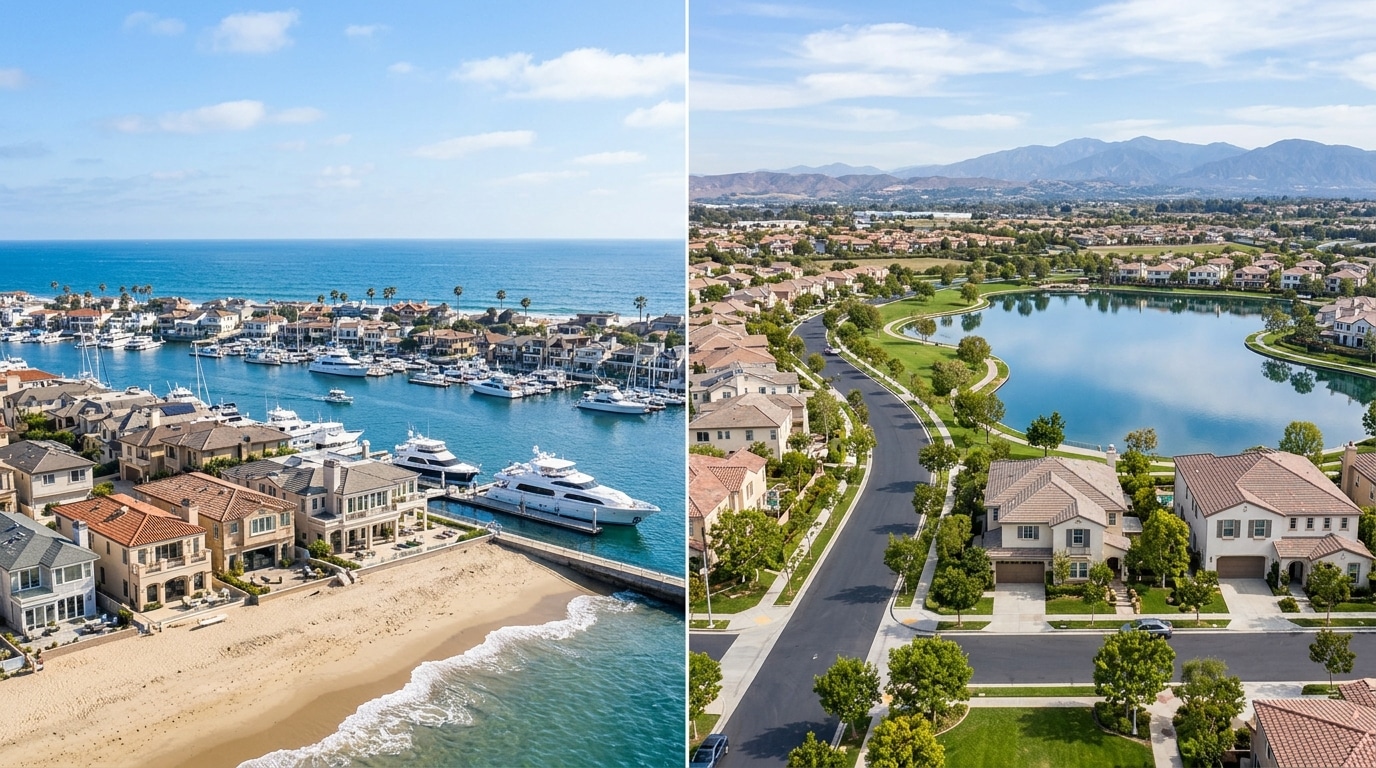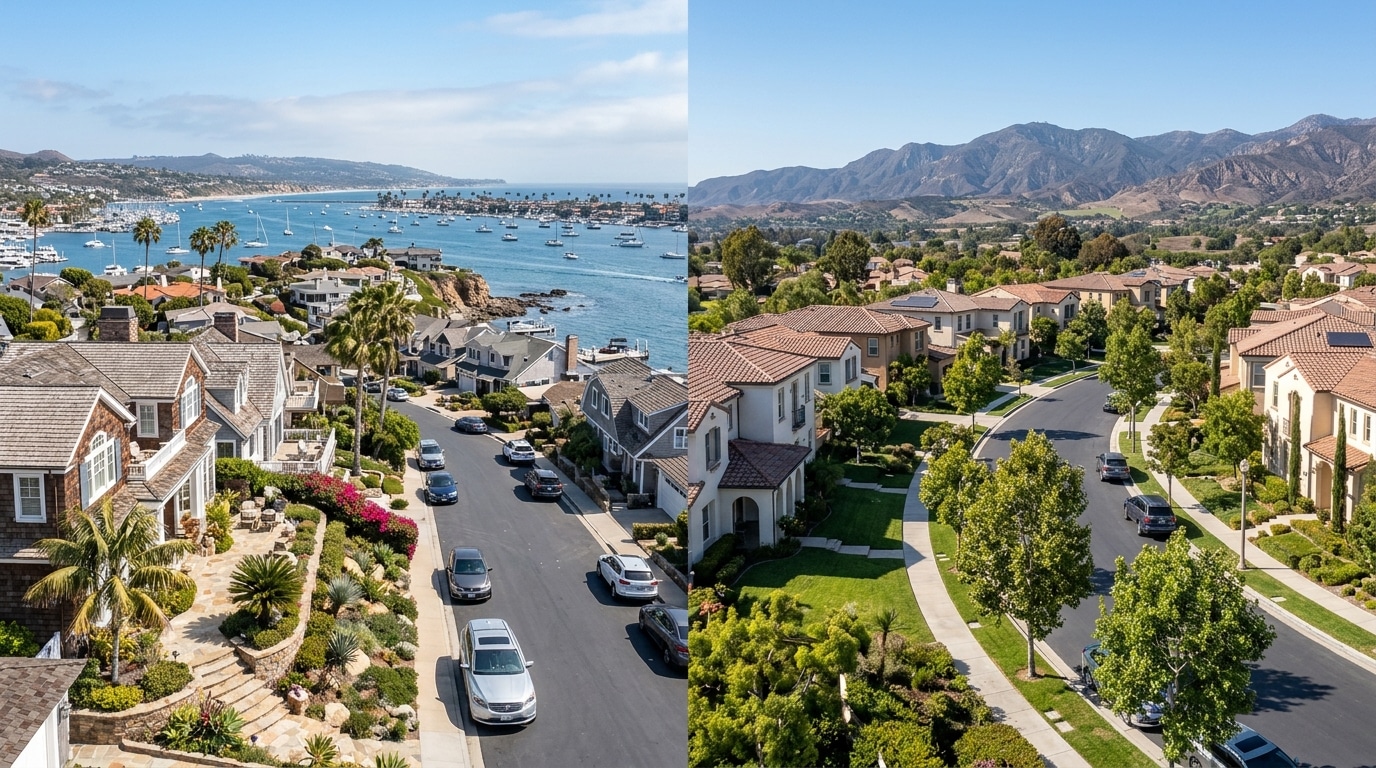
For buyers considering a home in Irvine, California, the surrounding community can be just as important as the property itself. A comfortable floor plan and attractive location matter, but access to outdoor recreation, shared spaces, and neighborhood amenities can also influence everyday life.
Woodbridge is a planned community known for its lakes and recreational environment. Its community features include beach lagoons, swimming pools, walking paths, parks, and shared outdoor spaces. These amenities contribute to the area’s residential character and give buyers additional factors to consider when comparing homes.
However, choosing a property in Woodbridge should involve more than looking at a list of facilities. Buyers should understand where amenities are located, how convenient they are to reach, what access requirements apply, and whether the facilities fit their household’s lifestyle.
It is also important to remember that access to shared facilities may depend on association membership, property eligibility, and facility-specific rules. Living in Woodbridge does not mean every property automatically has identical access or privileges.
This guide explores the community amenities associated with Woodbridge and explains what buyers should consider when deciding whether the neighborhood fits their lifestyle.
Beach Lagoons and Lakes: Understanding Woodbridge’s Waterfront Environment
The lakes and beach lagoon areas are among the defining features of Woodbridge. For buyers who enjoy spending time outdoors, these waterfront surroundings can be an appealing part of the community’s identity.
But the experience of living near a lake or lagoon depends on the location of the home, the routes available to residents, and the applicable community access rules.
The Appeal of Waterfront Community Spaces
Waterfront environments can add a distinctive atmosphere to a residential neighborhood. They may provide attractive outdoor surroundings and opportunities for residents to spend time outside.
For prospective Woodbridge buyers, the lakes and beach lagoon areas are worth exploring in person. Rather than relying exclusively on photographs, consider how the waterfront spaces connect with nearby residential streets and other community areas.
Ask yourself:
- Is the lake or lagoon conveniently located relative to the property?
- Is there a practical walking route from the home?
- Does the surrounding environment match your preferred lifestyle?
- Are there shared spaces nearby that your household would use?
- Would you prefer a home closer to the waterfront or one with more separation from recreational activity?
These questions can help buyers evaluate whether the waterfront environment offers meaningful value to their everyday routines.
Beach Lagoons as a Lifestyle Consideration
Beach lagoons are a notable part of Woodbridge’s recreational identity. Buyers interested in outdoor activities may want to learn more about the facilities, how they are managed, and what access arrangements apply.
It is important not to assume that every resident has unrestricted use of every facility. Eligibility, guest policies, operating arrangements, and other requirements should be confirmed through current association information.
If lagoon access is a major reason for considering Woodbridge, make it part of the property’s due diligence process.
Ask the appropriate association or transaction representative to clarify:
- Whether the property qualifies for access.
- What procedures residents must follow.
- Whether guest policies apply.
- Whether facility-specific restrictions exist.
- Where current rules and operating information can be obtained.
Having clear answers before purchasing can help buyers set realistic expectations.
Living Near a Lake: Proximity and Privacy
A home near a lake may offer a different setting from a property farther inside the residential area. However, proximity should be considered alongside privacy, outdoor space, and the character of the surrounding streets.
Some buyers may enjoy being close to shared recreational areas. Others may prefer a location with greater separation from places where residents gather.
When touring properties, look at the relationship between the home and nearby shared spaces. Consider window placement, outdoor areas, landscaping, and the amount of separation from pedestrian routes.
A lake-oriented location may be attractive, but the right choice depends on how the property fits the buyer’s preferences.
Pools, Walking Paths, Parks, and Shared Outdoor Spaces
Woodbridge’s community environment includes swimming pools, walking paths, parks, and shared spaces. These features can be important to buyers who value outdoor recreation and neighborhood activities.
The practical benefit of each amenity depends on whether it is accessible, convenient, and relevant to the household.
Swimming Pools and Recreation
Swimming pools can be an appealing feature for households that enjoy recreational swimming or spending time outdoors.
When evaluating Woodbridge, buyers should find out which pool facilities are relevant to the property and what rules apply to their use.
Do not assume that all pools have identical access requirements or that every facility is available to every homeowner under the same conditions.
Before purchasing, confirm:
- Which facilities are available to eligible residents.
- Whether access is linked to a particular association.
- Whether identification or registration is required.
- Whether guest policies or other restrictions apply.
- Where current facility rules are published.
This is especially important for buyers who expect to use community pools regularly.
Walking Paths and Everyday Outdoor Activity
Walking paths can contribute to a neighborhood’s appeal by giving residents places to walk and enjoy the surrounding environment.
For some households, a convenient walking route is an important part of daily life. Others may value paths as an occasional recreational option.
When visiting Woodbridge, consider walking around the areas near homes you are considering. Pay attention to how routes connect with residential streets, lakes, parks, and shared spaces.
Think about the practical questions:
- Can you reach the areas you want to visit on foot?
- Are the routes convenient for your preferred activities?
- Do the paths connect with the places you expect to use?
- Does the surrounding environment feel comfortable for your household?
The best way to understand a walking route is to experience it rather than assume that nearby facilities are automatically convenient.
Parks and Shared Community Spaces
Parks and shared outdoor areas can give residents additional places to enjoy the neighborhood.
These spaces may be useful for outdoor recreation, relaxation, or spending time with family and friends. Their value, however, depends on their location, condition, permitted uses, and accessibility.
Buyers should identify the shared spaces most relevant to their lifestyle and verify the rules that govern them.
For example, a household with children may have different priorities from a buyer who mainly wants walking routes or quiet outdoor surroundings.
Rather than focusing on the total number of amenities, think about which ones your household is likely to use.
Convenience Matters More Than a List of Facilities
A community may have a variety of amenities, but their usefulness depends partly on how they fit into daily routines.
A buyer who expects to swim regularly may place greater importance on pool access. Someone who enjoys walking may care more about nearby paths and convenient connections between residential streets and shared spaces.
When comparing homes, consider the location of the amenities relative to the specific property. A general statement that a home is in Woodbridge does not explain how close it is to a particular facility.
Look at the actual routes, confirm access, and decide whether the amenities are practical for your household.
How Woodbridge Amenities Can Influence Your Everyday Lifestyle
Community amenities can shape the experience of living in a neighborhood, but their value is personal. Buyers should think about how they spend their time and whether the surrounding environment supports their routines.
Woodbridge may appeal to households looking for a planned residential community with outdoor and recreational features. Still, the best way to evaluate the lifestyle is to connect the community’s facilities with the buyer’s actual needs.
Consider Your Household’s Priorities
Start by identifying the activities that matter most.
For example, some buyers may prioritize:
- Access to swimming pools.
- Convenient walking routes.
- Nearby parks and shared outdoor spaces.
- A residential setting connected to lakes and lagoons.
- Opportunities to spend time outdoors.
- A balance between recreational surroundings and residential privacy.
Other buyers may be more focused on the home itself, including its layout, condition, lot configuration, and location within Woodbridge.
There is no need to prioritize every amenity. A property search becomes more useful when buyers identify the facilities they genuinely expect to use.
Think About How Often You Will Use the Amenities
A community facility can sound appealing during a home search, but buyers should consider how often it will realistically be part of their routine.
If you enjoy swimming, pool access may be an important factor. If you prefer walking, the convenience of nearby paths may carry more weight. If you rarely use shared facilities, other property characteristics may be more important.
This helps prevent buyers from giving too much importance to amenities that may not influence their everyday experience.
Evaluate Location Within the Community
Woodbridge includes different residential settings. A home’s location can affect its relationship to lakes, recreational areas, parks, and other shared spaces.
When touring a property, consider more than its general neighborhood name.
Look at:
- The route to the nearest relevant shared spaces.
- The surrounding residential environment.
- The home’s relationship to nearby activity.
- The availability of practical walking connections.
- The balance between access and privacy.
Two homes in the same broader community may offer different day-to-day experiences because of their individual locations.
Understand the Association’s Role
Community amenities are often connected to association management and rules.
Buyers should understand which association applies to the property and what responsibilities or access arrangements are described in the relevant documents.
Questions about maintenance, facility policies, homeowner eligibility, and guest access should be answered using current official information.
This is also a good opportunity to review association assessments and understand what costs are associated with community management.
Amenities can contribute to a home’s appeal, but buyers should consider them alongside the financial and administrative responsibilities of ownership.
What Buyers Should Verify Before Choosing a Woodbridge Home
Before purchasing in Woodbridge, buyers should verify the details of the property and the amenities they expect to use.
A community’s general reputation or marketing description is not a substitute for property-specific information.
Confirm Facility Access and Rules
If a particular amenity is important to your decision, confirm access before making assumptions.
Request the current information applicable to the property and ask the appropriate association representative about eligibility and restrictions.
Review details such as:
- Resident access requirements.
- Guest policies.
- Facility-specific rules.
- Operating arrangements.
- Any relevant association procedures.
Rules can change, so buyers should seek current information rather than rely on older descriptions.
Review Association Documents and Assessments
The applicable association documents can help buyers understand how shared facilities are managed and what obligations come with ownership.
Request information about the master association and any applicable sub-association.
Review the relevant governing documents, assessment information, and disclosures. If there are questions about maintenance responsibilities or facility access, seek clarification before proceeding.
Buyers should also include applicable association assessments in their overall ownership budget.
Visit the Community in Person
An in-person visit can help buyers understand the environment beyond what photographs show.
Walk through the areas around the property and, where permitted, visit the relevant shared spaces. Consider how the neighborhood feels, how convenient the routes are, and whether the amenities align with your expectations.
If possible, visit at different times of day to observe the general level of activity.
This can help you understand whether you prefer a location close to recreational spaces or one that offers more separation.
Compare Amenities With the Home Itself
Amenities should be part of the buying decision, not the entire decision.
A home should also meet your needs for space, layout, condition, privacy, and budget.
Consider the complete ownership picture:
| Factor | What to evaluate |
|---|---|
| Home layout | Whether the floor plan supports your household |
| Property location | Convenience of routes to relevant amenities |
| Outdoor space | Usability and maintenance responsibilities |
| Community access | Eligibility and current facility rules |
| Association costs | Applicable assessments and obligations |
| Privacy | Relationship to nearby homes and shared spaces |
| Long-term needs | Whether the home remains practical as circumstances change |
This balanced approach can help buyers make a decision based on the property and the lifestyle it can realistically support.
Get Guidance During Your Woodbridge Home Search
Comparing homes in a planned community involves more than identifying attractive listings. Buyers may need to consider association requirements, facility access, property-specific details, and the practical differences between locations.
Brad Dhesi of BSD Real Estate Group at Keller Williams can help buyers evaluate Woodbridge properties and consider how each home’s location and features fit their priorities.
A thoughtful home search should connect the community environment with the actual property, helping buyers make decisions based on verified information and their long-term plans.
Frequently Asked Questions
1. What amenities is Woodbridge in Irvine known for?
Woodbridge is associated with lakes, beach lagoons, swimming pools, walking paths, parks, and shared outdoor spaces. Buyers should verify the specific facilities, access arrangements, and current rules that apply to the property they are considering.
2. Does Woodbridge in Irvine have beach lagoons?
Yes, beach lagoons are part of Woodbridge’s recreational environment. Buyers interested in using them should confirm current access requirements, applicable association policies, and facility rules before purchasing.
3. Do Woodbridge residents have access to community swimming pools?
Woodbridge includes community swimming pools, but buyers should verify which facilities are available to eligible residents and what rules apply. Access may depend on association arrangements, property eligibility, and facility-specific policies.
4. Are there walking paths and parks in Woodbridge, Irvine?
Walking paths, parks, and shared outdoor spaces are among the community features associated with Woodbridge. Buyers should explore the areas around a prospective home to understand the actual routes, locations, and convenience of the spaces they expect to use.
5. Do all Woodbridge homeowners have the same access to community amenities?
Buyers should not assume that access is identical for every property or facility. Eligibility and use may depend on association membership, property arrangements, and current facility rules. Confirm the applicable requirements through official association information before relying on a particular amenity.
Ready to Enjoy the Woodbridge Lifestyle? Find a Home That Fits Your Needs
Looking for a home in Woodbridge, Irvine, where the community environment fits your lifestyle?
Whether you value waterfront surroundings, swimming pools, walking paths, parks, or a convenient residential location, it is important to find a property that meets your needs beyond the listing photographs.
Contact Brad Dhesi of BSD Real Estate Group at Keller Williams for help exploring Woodbridge homes and comparing property features, locations, and community considerations.